














Long Runs: How to Fuel Your Body Before, During, and After a Long Run
Whether you're training for a 10K, a half marathon, or simply increasing your mileage, long runs place significantly greater demands on your body than a regular workout.
Energy, hydration, and recovery all play a key role in your performance and in how you feel during and after your run.
A solid nutrition strategy before, during, and after a long run can make all the difference between a difficult outing and a run where you feel strong from start to finish.
1. Before a Long Run: Prepare Your Energy and Hydration
Preparation starts long before you lace up your running shoes.
Before a long run, your goal is to begin with sufficient energy stores and proper hydration.
Priorities Before Your Run:
- Consume easily digestible carbohydrates
- Stay well hydrated
- Avoid heavy, high-fat foods
- Maintain adequate electrolyte intake
Depending on the time of your workout, a simple meal or snack may be enough:
- Oatmeal with fruit
- Toast with nut butter
- A fruit and protein smoothie
- Yogurt with granola
2. During a Long Run: Maintain Your Energy
As your distance increases, your body relies more heavily on its energy reserves.
During long runs, one of the biggest challenges is maintaining a steady energy level to avoid hitting "the wall" or experiencing an energy crash.
For runs lasting longer than 60 to 90 minutes, it may be beneficial to incorporate:
- Fast-acting carbohydrates
- Electrolytes
- Regular hydration
The goal is not to wait until you're thirsty or exhausted, but rather to support your body consistently throughout the effort.
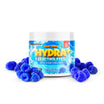
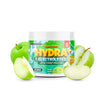
Hydration supplements and EAAs (Essential Amino Acids) may also help support muscular endurance and reduce fatigue during high-volume training periods.
3. After a Long Run: Recovery Starts Immediately
Recovery doesn't begin the next day it starts as soon as your run ends.
After a long run, your body needs to:
- Replenish energy stores;
- Repair muscle tissue;
- Restore hydration and electrolytes lost through sweat.
Key Recovery Elements:
- High-quality protein;
- Carbohydrates;
- Hydration;
- Rest.
A protein shake paired with a carbohydrate source can be a simple and effective way to support recovery, especially when appetite is lower after an intense effort.
Recovery is often what allows you to train more consistently and reduce accumulated fatigue over the course of several weeks.
4. Supplements That Can Support Long Runs
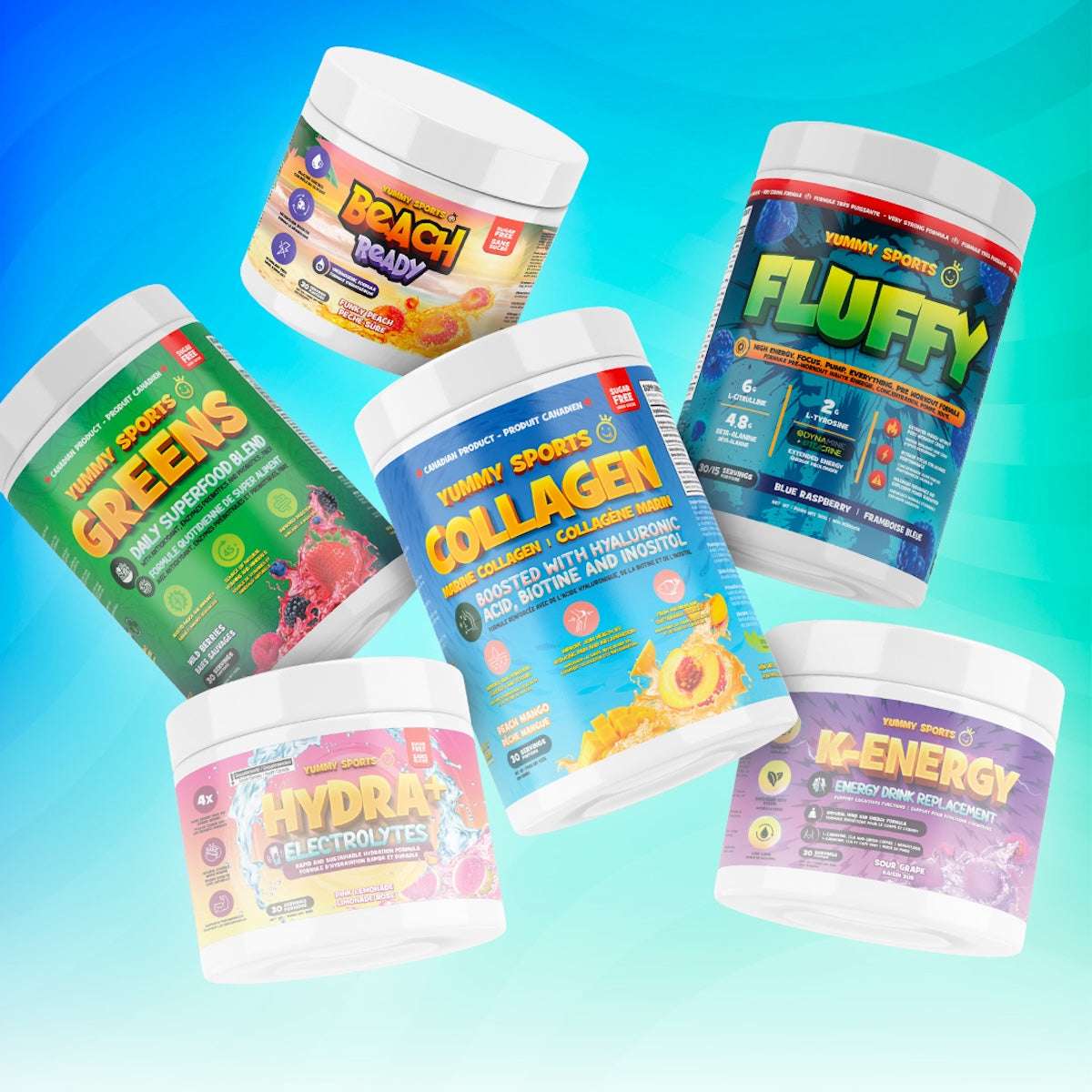
Supplements should never replace a balanced diet, but they can help support performance and recovery when training demands increase.
Here are a few supplements commonly used in endurance training routines:
Electrolytes
Help support hydration and replace minerals lost through sweating.
EAAs (Essential Amino Acids)
May contribute to muscle support and recovery during periods of high training volume.
Protein
Essential for muscle repair following long runs.
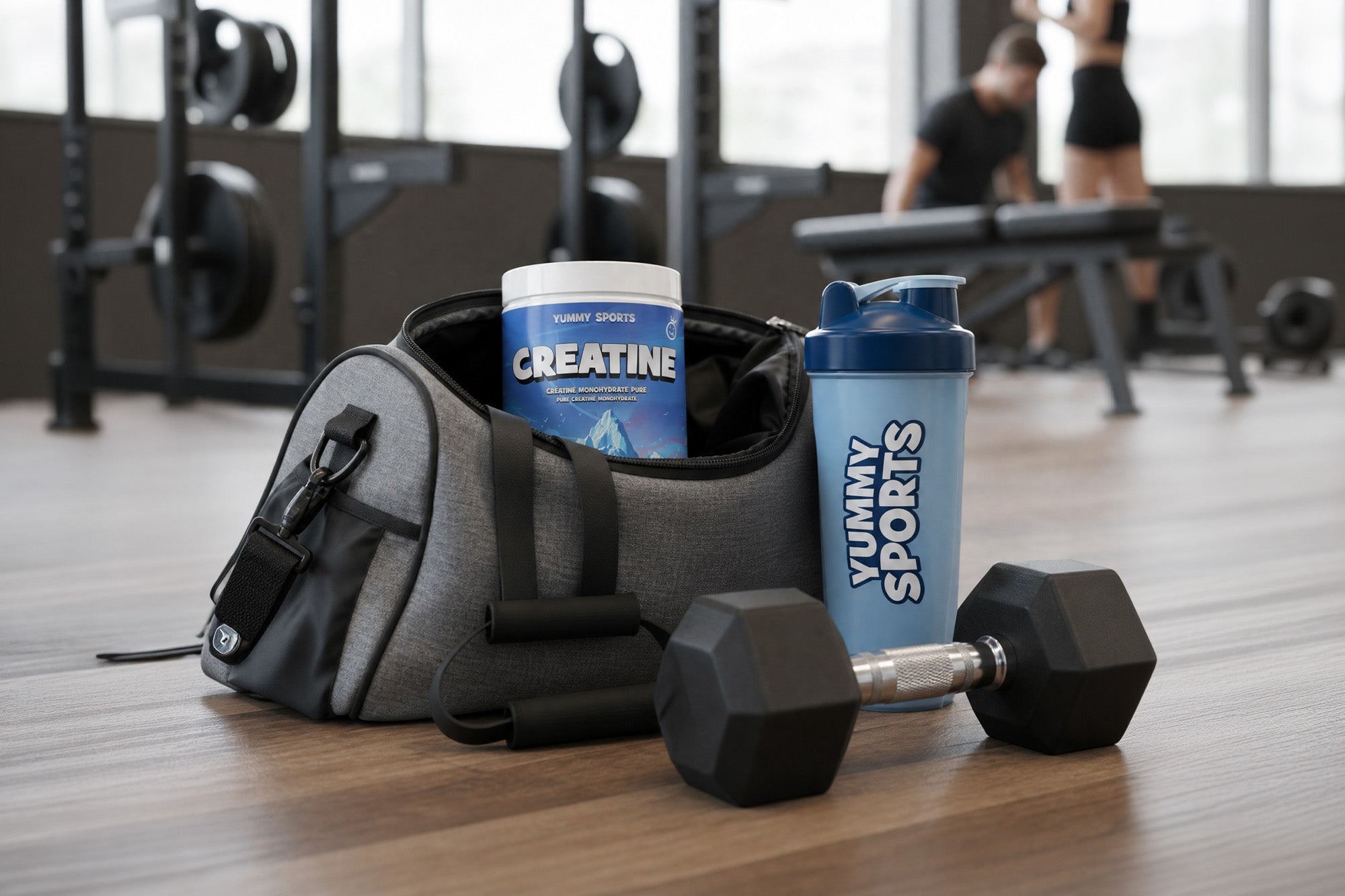
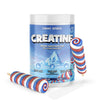
Creatine
Often associated with strength training, but also beneficial for supporting recovery, overall performance, and training capacity.
5. Consistency Above All
The best nutrition strategy is the one you can maintain consistently and realistically.
You don't need a perfect routine to improve your running performance just sustainable habits that support your body before, during, and after exercise.
Over time, learning to pay attention to your energy levels, hydration, and recovery becomes just as important as the miles you log.
Conclusion: Support Your Body to Go Further
Long runs require more than just strong cardiovascular fitness. They also demand proper recovery, effective hydration, and a nutrition strategy that matches your training volume.
By giving your body what it needs before, during, and after a long run, you not only support better performance, but also improve recovery and consistency in your training.
At Yummy Sports, we believe that a simple, effective, and enjoyable routine can make all the difference in your athletic journey whether you're preparing for a race or simply looking to run farther and recover better.